

We love wine, but the humidity and weather in sunny Singapore just isn’t wine’s best friend. If you’ve newly hopped onto the wine train, it’s important to know how long you can keep your wine, how to tell if it’s gone bad, and how to keep it fresh – before splurging on that 2004 Vintage Bordeaux.
How Long Can Wine Stay Fresh?
The good news? Wine doesn’t exactly expire. *Pops Champagne*
The not-so-bad news? Every bottle of wine has its prime, so you should enjoy it when it’s at its best.
As you probably already know, Best Before dates are simply recommendations by manufacturers and winemakers so you may enjoy their product the way they intended it to be enjoyed. Generally, if you store your unopened, bottled wine correctly (we’ll teach you how in just a bit!), they can stay fresh for several years past their ‘expiry date’:
Duration for different wines (unopened)
Red wine: 3-5 years
White wine: 1-2 years
Rosé wine: 1-2 years
Non-vintage sparkling wine: 3-4 years
Vintage sparkling wine: 5-10 years
Fortified wine: decades
What Makes Wine Go Bad?
Oxidation is the main culprit ruining our wines. Exposure to oxygen over time causes wine’s exquisite flavours to turn sour, like vinegar – which is definitely not what we want. Red wines that are more sensitive to oxygen exposure include lighter reds such as Pinot Noir, as well as wines over eight to ten years old. Due to a lack of preservatives, organic and sulfite-free wines are also particularly delicate. For these reds, we suggest finishing them within three days after opening. For bolder, fuller-bodied reds, you may go up to five days after opening. If other wines have been opened and properly kept, they can also stay fresh.
Duration for different wines (opened)
Red wine: 3-5 days after opening
White wine: 1-3 days
Rosé wine: 1-3 days
Sparkling wine: 1-2 days
Fortified wine: 1-3 weeks
Sunlight
UV rays from direct sunlight may also degrade wine, aging them prematurely, and causing it to produce sulfurous compounds. An effect so heinous to wine lovers there’s a name for it — “light-struck wine”.
How Do You Know Your Wine Has Gone Bad?
Colour
The quickest thing to notice would be a change in colour of the wine – if your reds have turned brown, or your whites a yellowish-brown, perhaps it’s time to toss that spoiled wine.
Unwanted Bubbles
Another thing that might be easy to spot before opening the bottle is the presence of bubbles in still wine. If bubbles are present in non-sparkling wine, this might suggest that the wine is re-fermenting, and there are active yeasts in the bottle.
Loose Seals / Leakage
When the seal of a bottle is compromised, oxidation would naturally wreak havoc on your wine.
A loose cork or leaky bottle may also suggest heat damage, which inevitably affects the aroma and flavour of the wine. ‘Cooked’ wine is overly acidic, and dry to the point of feeling rough on the tongue.
Odour
If a wine has gone bad, you may be able to detect a sharp, sour smell reminiscent of vinegar, paint thinner, or nail polish remover; a damp, stale smell like wet cardboard or a moldy basement; or an unpleasant scent of garlic.
Taste
Tasting is the last resort to figuring out if a wine has gone bad.
Spoiled wine tastes sharp and sour, like vinegar. In worse cases, it may even have a strong chemical taste reminiscent of paint thinner, its fumes burning your nasal passage slightly as you swallow.
How Can You Extend A Wine’s Shelf Life?
Did you know that, all else being the same, an unopened bottle of wine deteriorates 4x faster in room temperature than at a cool 10 degrees Celsius?
So make sure to store your wine in a cool, dark place at a constant temperature of 10-15 degrees Celsius. A humidity of 50-70 percent is also pertinent — if it’s too dry, the cork may dry out; if it’s too humid, the cork runs the risk of growing mold.
Ensure that bottles are stored on their side — keeping the cork in constant contact with the wine prevents it from drying out and allowing oxygen into the bottle.
One last thing: keep your wine in a location that is not susceptible to constant shaking or vibration. Constant shaking displaces the sediments in a bottle, which causes a decrease in tartaric and succinic acids, which leads to a reduction in esters, dulling the wine’s flavour. To put it simply: avoid!
Keeping Wine In The Fridge
Hey, we get it. Not all of us have access to a wine chiller, or better still, a wine cellar (!). If you have to keep your wine in the fridge, do so for short periods of time only. With its dry environment and low temperature, it cannot keep your wine fresh past a couple months.
If you can’t finish a bottle, no harm corking it and sticking it in the fridge. Better still, transfer the wine to a smaller bottle to reduce the amount of air it is exposed to.
Fine Wines For You
Wine can get pricey. So if you are planning to store wines in the fridge, we recommend going for inexpensive bottles (less than $50), and that aren’t too old (between 2009-2012 is a good range) – such as Castello Albola Chianti Classico and Amancaya Reserva Malbec Cabernet Sauvignon 2016 for a decadent red, Château Cavalier Rosé, and Concha Y Toro Terrunyo Riesling. Now that you know how to care for your wine, go ahead and enjoy delicious wines at great prices, with free alcohol delivery services (for all orders $99 and above). Choose us as your preferred wine delivery service today!
-
The Art of Japanese Sake: Exploring Ishizuchi's Mastery
 March 9, 2026
 -
Beyond the Usual. Discovering Dong Niang, Taiwan's Curated Asian Wine Treasure
 March 9, 2026
 -
Drinking Smarter: Affordable Sustainable Wines in Singapore
 January 29, 2026
 -
The Savvy Singaporean's Food & Wine Pairing Guide
 January 29, 2026
 -
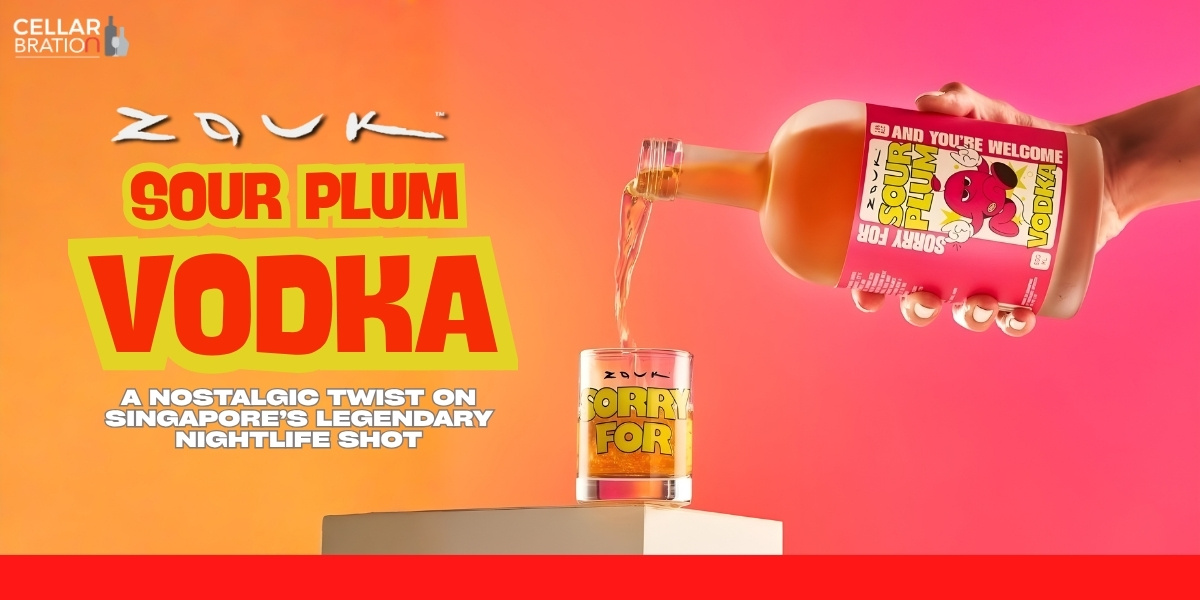
Zouk Sour Plum Vodka: A Nostalgic Twist on Singapore’s Legendary Nightlife Shot
 October 10, 2025
